There are climbs, and then there is L’Angliru.
A 12.1 km at 10.3% road that rears up without compromise. After a full week of racing, it becomes less about pure strength and more about resilience. Legs are heavy, energy is scarce, and every gradient feels sharper than it should. It is here, and on Saturday’s climbing stage to Les Praeres that the Vuelta España Femenina will be decided.
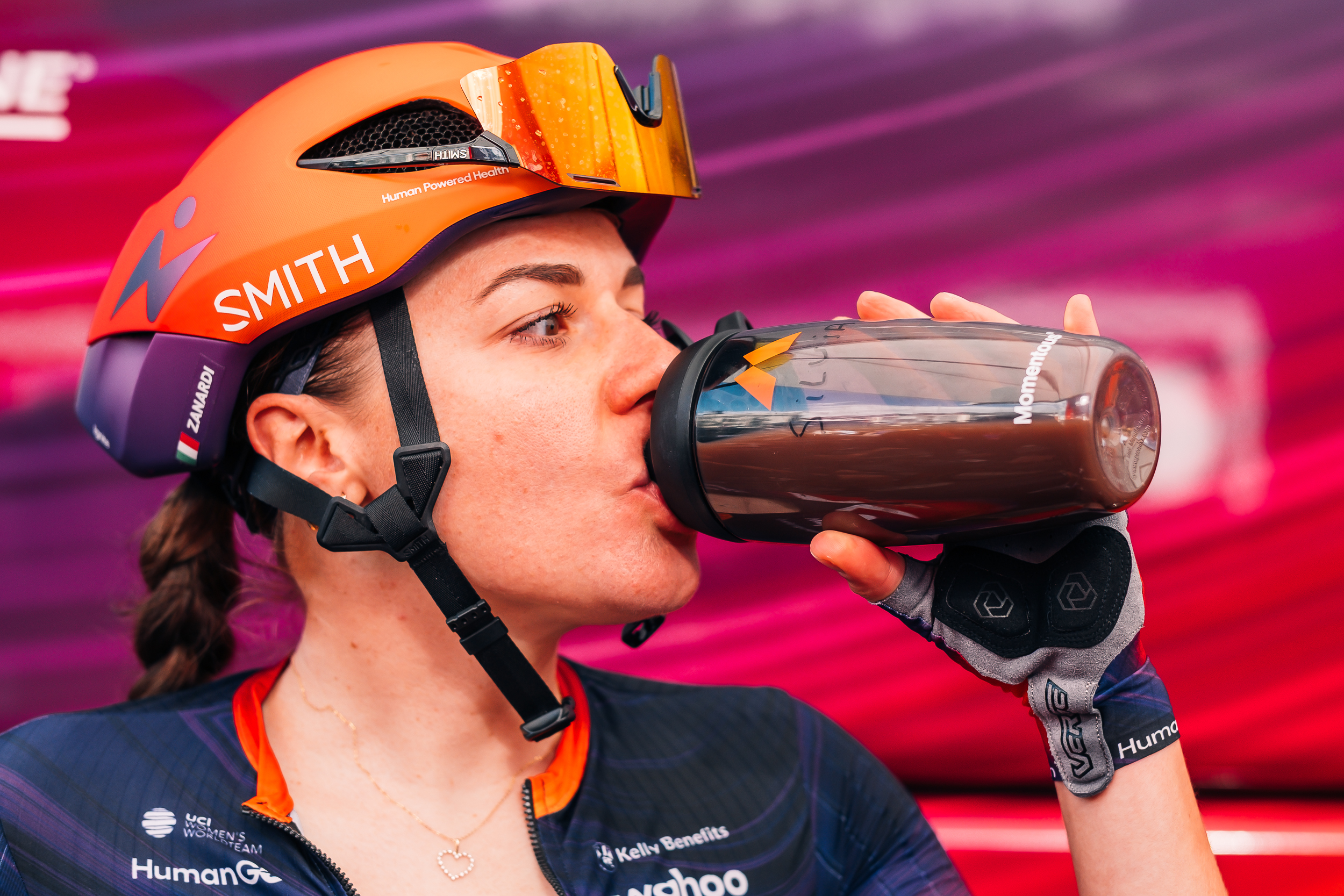
Climber Barbara Malcotti heads into the final weekend in 24th place, just 32-seconds behind the red jersey, and with everything still to play for.
In this context, performance is no longer defined by power alone. It becomes a question of how well riders manage heat, energy, and recovery across constantly changing conditions.
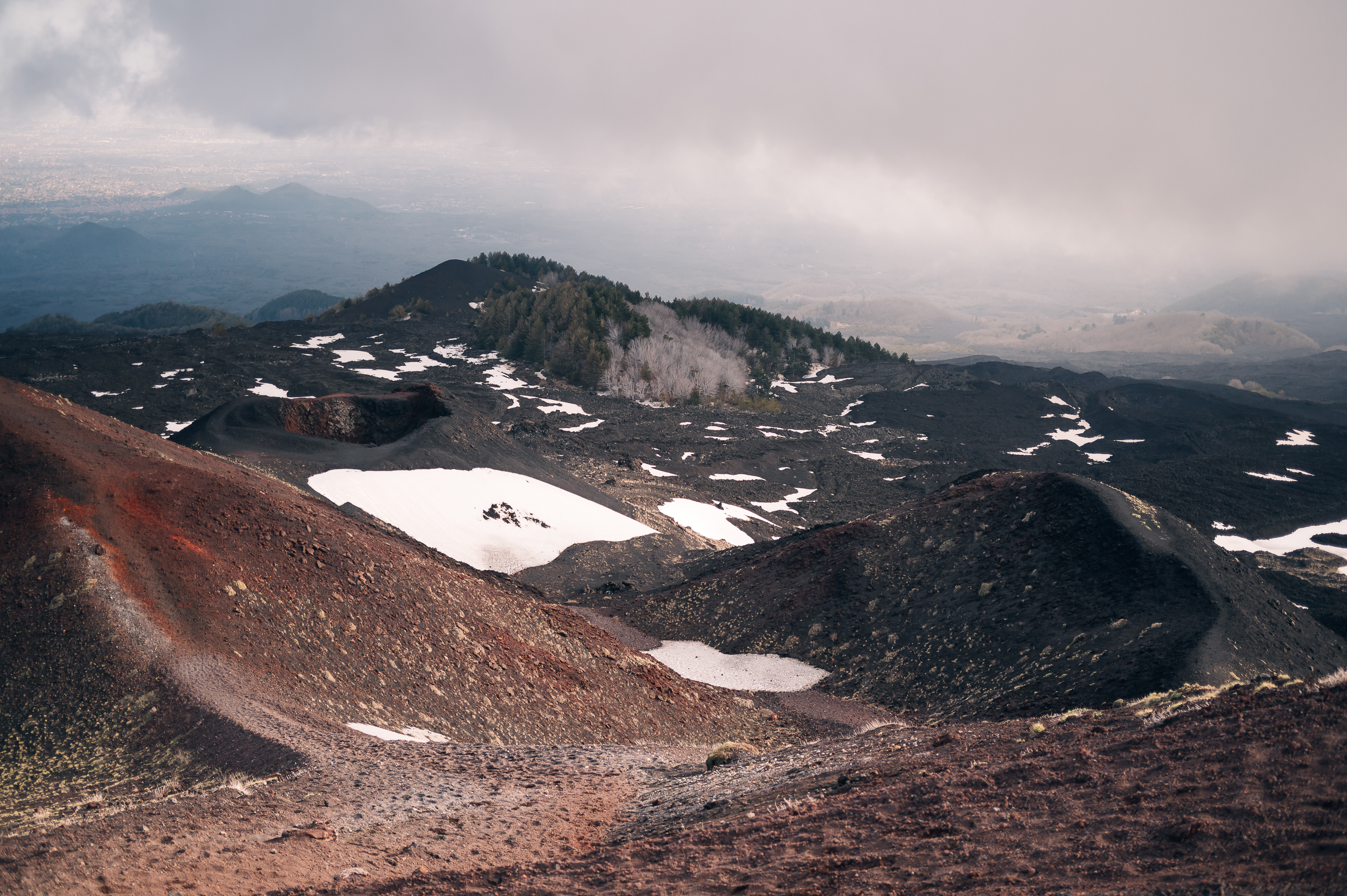
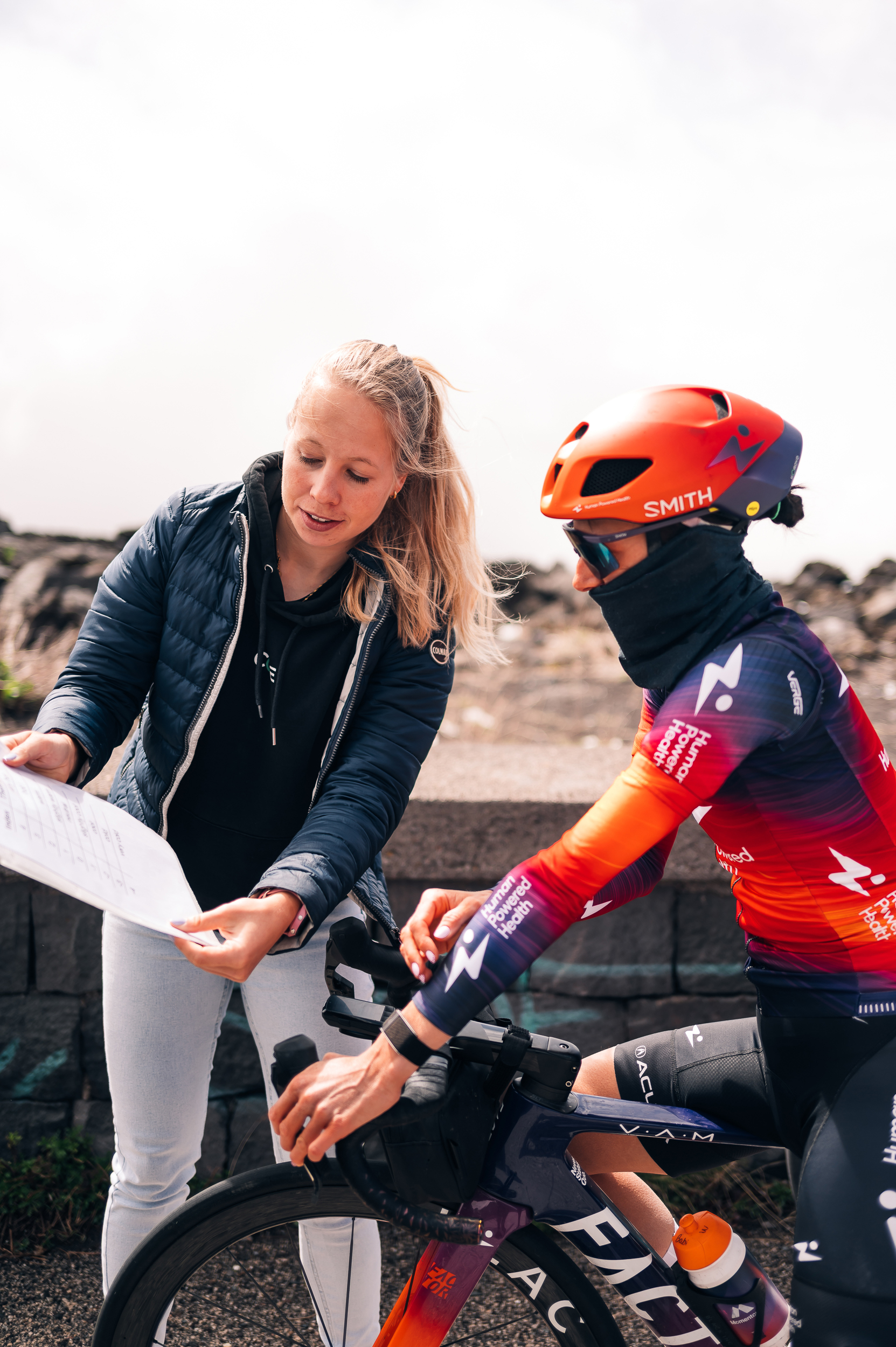
That was the focus before the Vuelta, where Malcotti and Head of Performance Callum McQueen joined CORE in Sicily to better understand how thermoregulation and clothing choices influence performance in real race scenarios.
“I tested some clothes, which is important if the weather is cold, as it makes a huge difference to performance,” says Malcotti. “Working with CORE was new for me. I felt like a robot covered in sensors, but I really enjoyed it.”
For Aline Barre, Endurance Performance Lead at CORE, the key was bridging science and application.
“Working closely with the team in Sicily was extremely valuable, as it allowed us to collect data in real-world conditions and directly translate it into practical insights,” said Barre. “Especially for races like La Vuelta, where environmental conditions can be colder or more complex.”


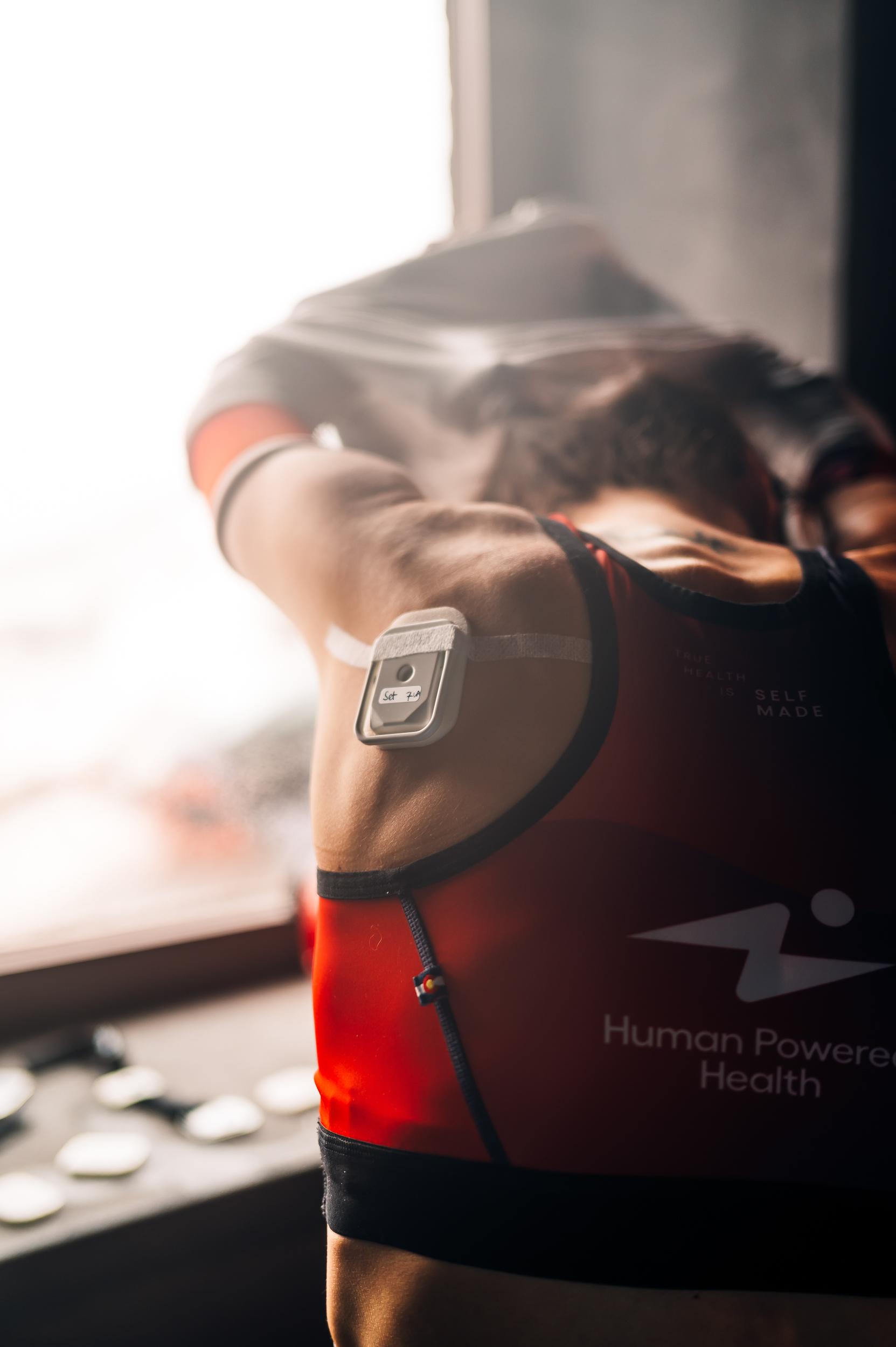
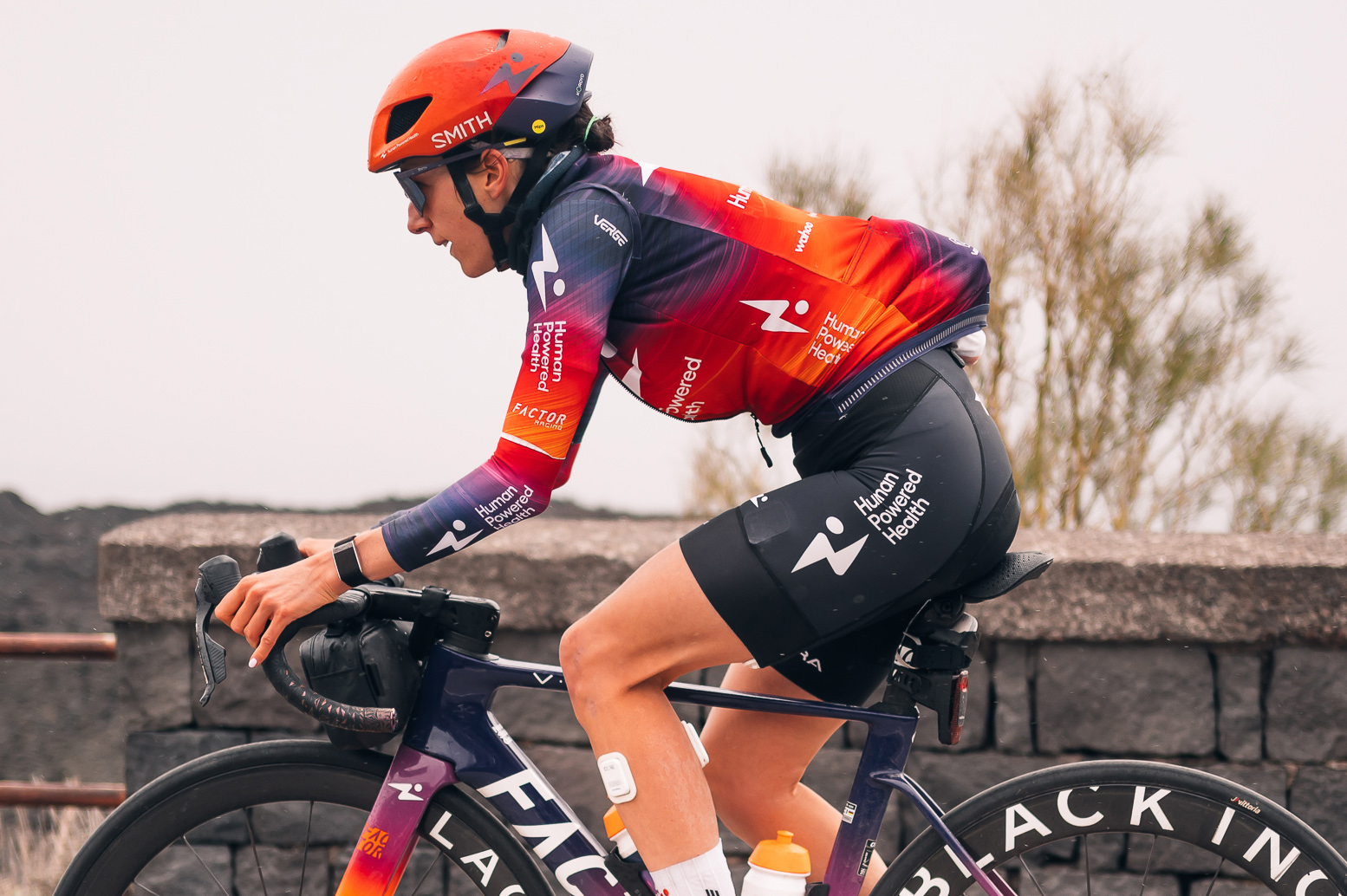
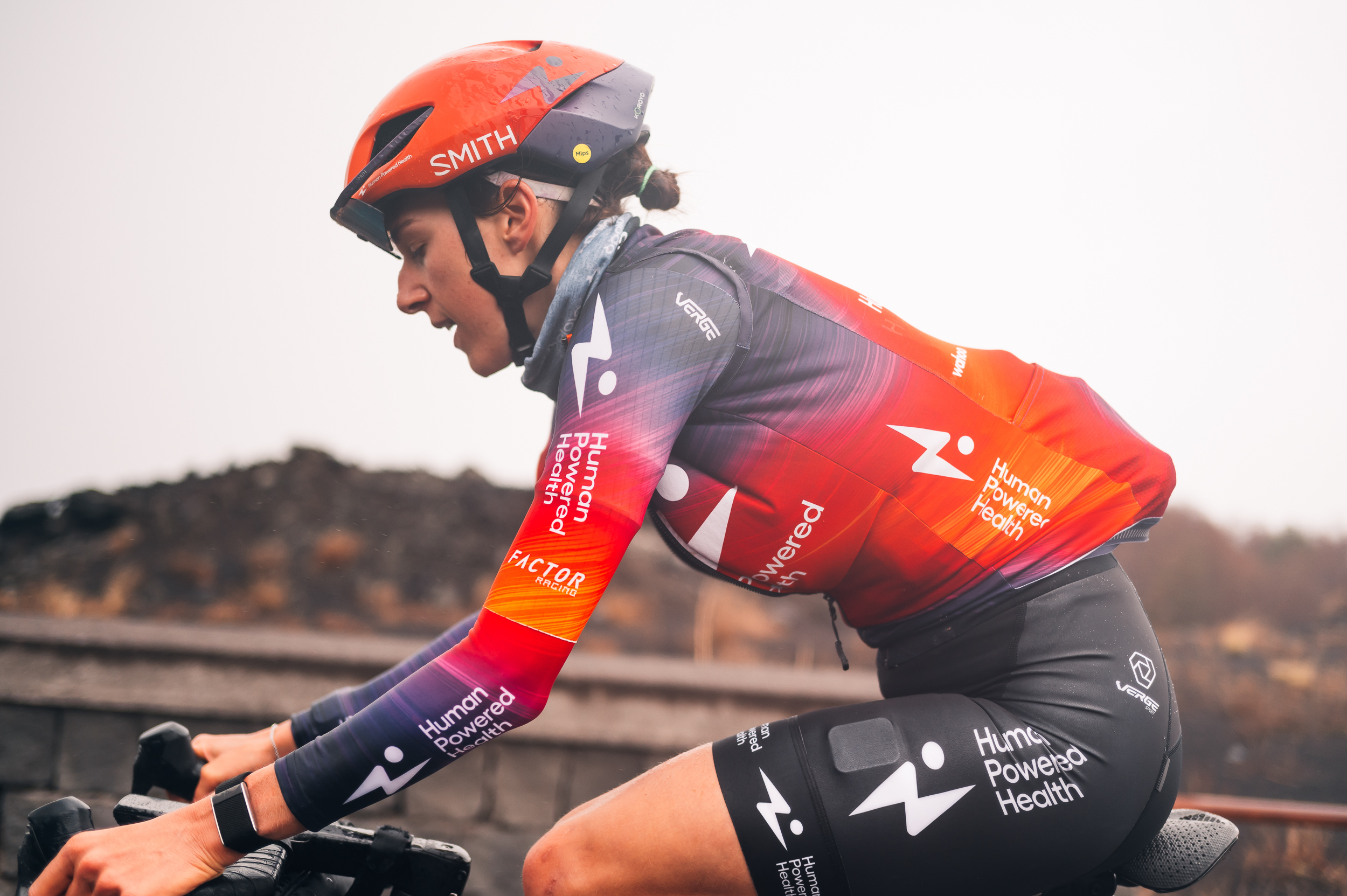
The testing replicated race demands as closely as possible. Malcotti completed repeated uphill intervals at around 85% of her FTP (Functional Threshold Power), followed by descents, across consecutive days. She then alternated between thermo bibs and summer bibs in temperatures ranging from 7 to 13°C.
“The collaboration was very hands-on,” Barre explained. “From coordinating the protocol to ensuring consistency across all trials, that was key to obtaining reliable and meaningful results.”
Using multiple CORE sensors placed across the body, both under and over clothing layers, the team captured detailed thermophysiological data. This included core body temperature, skin temperature, heat flux, heart rate, and perceptual measures such as thermal comfort.

The findings revealed a clear and important balance.
“The thermo bib provided better insulation,” Barre said. “We observed higher and more stable skin temperatures, and improved comfort during descents. But it also reduced heat transfer, meaning a lower capacity for heat dissipation during high-intensity efforts.”
In contrast, summer bibs allowed for greater heat loss, helping Malcotti regulate temperature more effectively during climbing.
“Maintaining sufficient heat dissipation is essential for core temperature regulation and managing overall heat strain,” Barre notes. “Excessive heat storage can increase cardiovascular strain and contribute to earlier fatigue during sustained efforts.”
At the same time, avoiding excessive cooling is equally important, particularly during transitions between efforts, when riders must quickly return to high power outputs.
“Overall, the testing highlights a trade-off between thermal insulation and heat dissipation,” she summarized. “Finding the right balance is key for maintaining performance across variable race conditions.”
This balance becomes especially critical on stages like the two this weekend, where riders repeatedly shift between intense climbing and recovery phases. Small differences in thermal management can accumulate, influencing how riders perform at decisive moments.
Beyond general insights, the data also enables a more individualized approach.
“Profiling each rider’s thermal response allows us to identify differences in heat production and dissipation,” Barre said. “This supports more personalized strategies—not only for clothing, but also for cooling during stages and preparation ahead of the race.”


By combining these profiles with stage-specific weather conditions, we can make more informed decisions.
As the race heads into its final weekend, the margins are incredibly small.
On climbs like Les Praeres and L’Angliru, success is shaped not just by strength, but by preparation, by how well riders manage their effort, their equipment, and their environment.
Because when the road tilts skyward, it’s not just about who is strongest, but who is best prepared to endure it.