

An incredible amount of work goes into setting up a WorldTour team for success in the cycling season. From planning tactics to logistics, individualized plans to bike mechanics, it all works in a nexus so that an athlete can perform at their highest standard.
For our team heading into the first races of 2026 in Australia, data from our visit to the Human Powered Health Performance Lab in Wellesley, MA, is a huge piece of the puzzle. Similar lactate tests were then conducted at a training camp in Spain for further data.
“During our visit with Human Powered Health, we run a full individual screening to establish each rider’s physical baseline,” explains Callum McQueen, Head of Performance. “We cover everything from strength and mobility assessments, physiology tests through to medical and mental screenings to understand how we can best support our athletes if that’s during training, our preparations or as racing commences.”


At these labs, testing is conducted by Master’s & PhD-level performance physiologists. After testing, they help us understand results and tailor recommendations to each athlete’s unique needs. These data-driven insights, focused around our Pillars of Performance – movement, fuel, mindset and recovery – help us all reach our health and performance potential.
“This data is essential as we strengthen our team with new talent and structure our long-term developments,” says McQueen. “Understanding where our athletes’ strengths and weaknesses are allows us to create a development plan to ensure we can deliver our individual and team goals.”
This not only sets them on a course for the early-season races in Australia, but it is also a year-long back and forth between the team performance staff and the Performance Lab.

“The lab enables us to strengthen each of our departments through the season,” says McQueen. “We’re able to analyze everything through race data to day-to-day data from devices like Whoop. We have unique processes to review our race performance and nutrition strategies and balance this with our training and strength plans, both on and off the bike. We’re also continuing to monitor new research developments and findings, more recently in altitude to ensure we’re at the forefront of performance.”
These are the eight tests the team underwent to get the firing on all cylinders in 2026.
1. Resting Metabolic Rate
Calculates calories burned at rest and fuel mix (fat vs. carbs) to tailor nutrition plans that support optimal energy availability during rides.

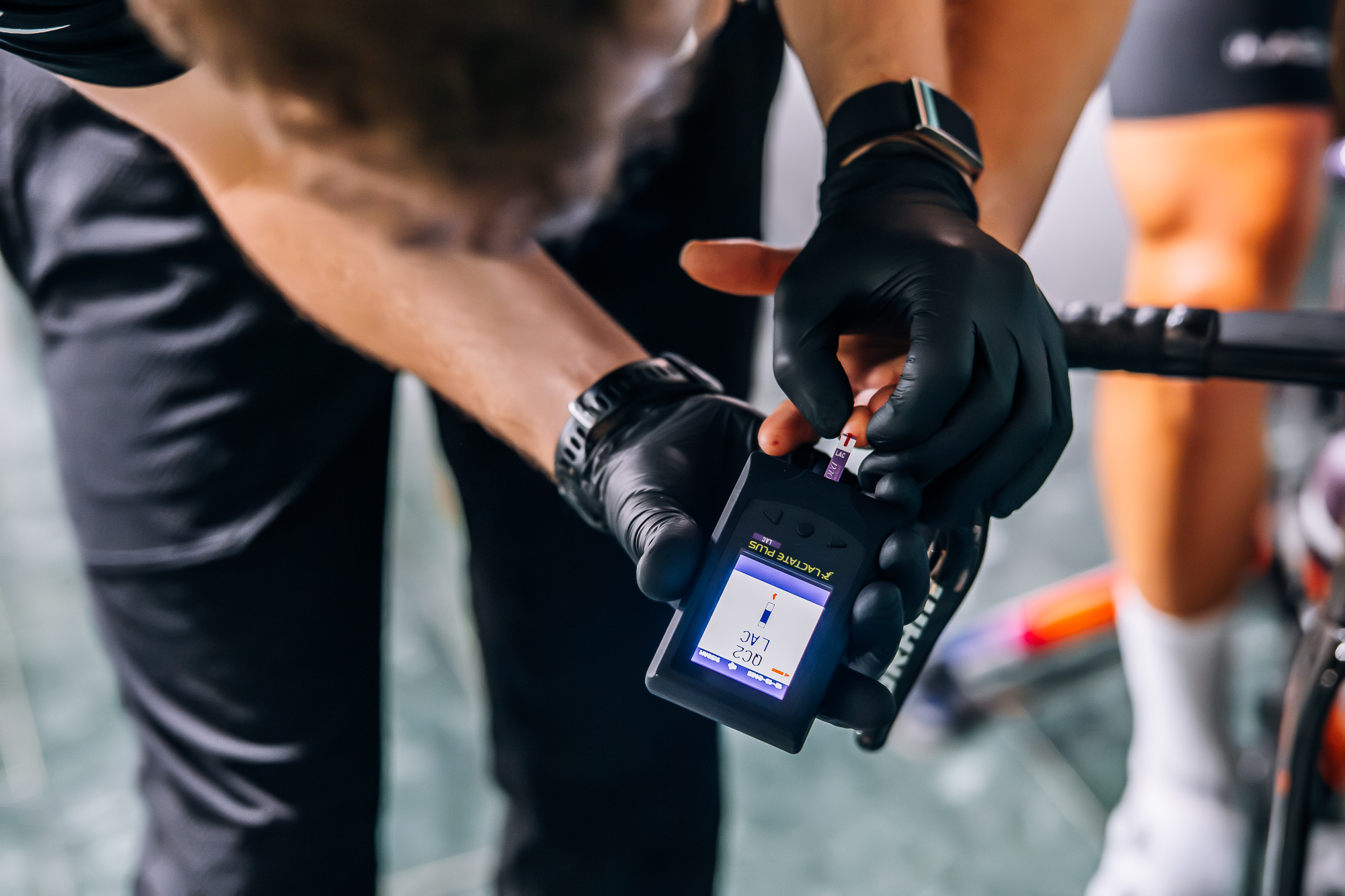
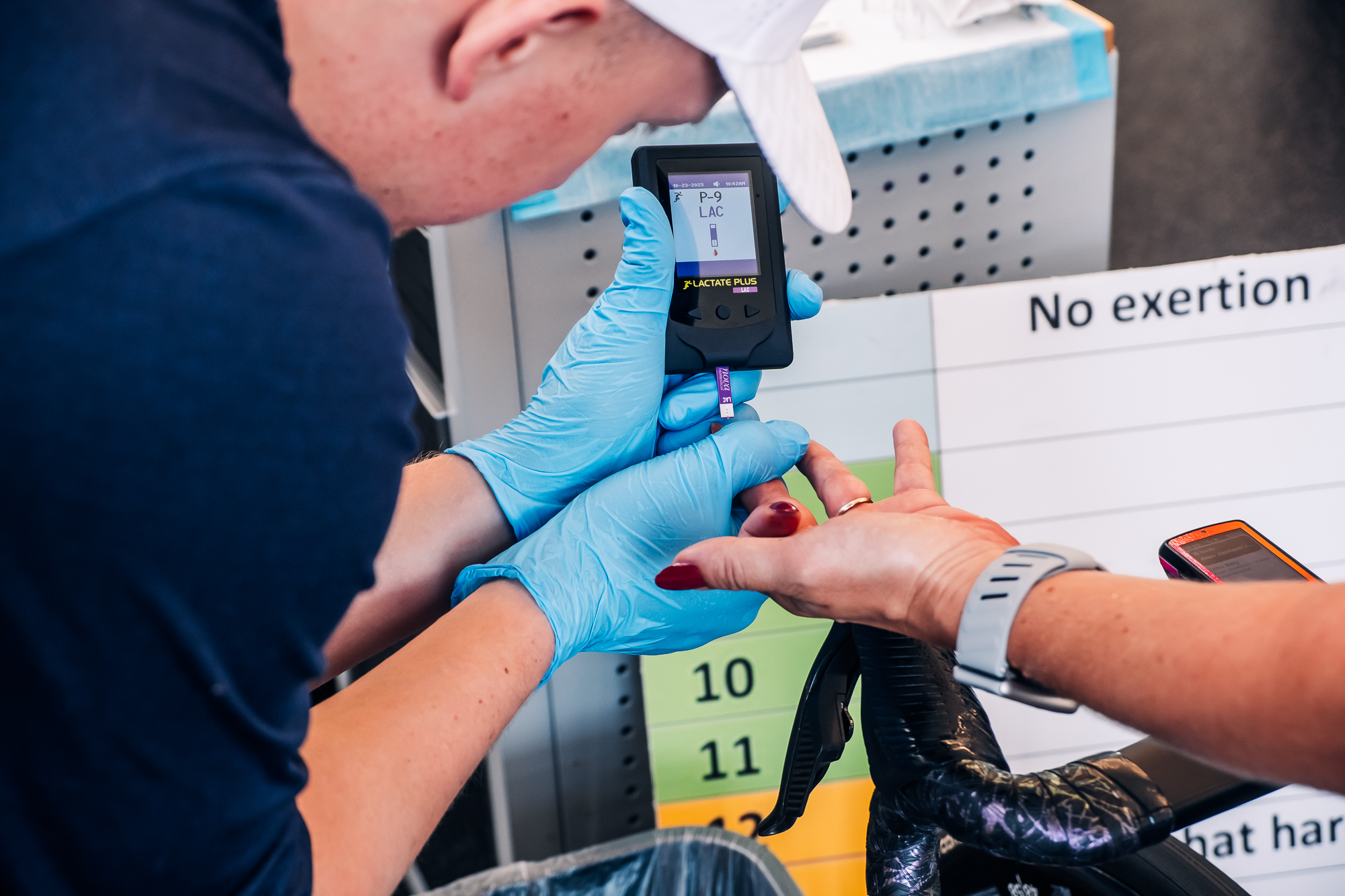
2. Lactate Threshold Test
Determines lactate threshold by measuring blood lactate levels at various stages to fine-tune training intensities, establish power zones, and optimize endurance performance.
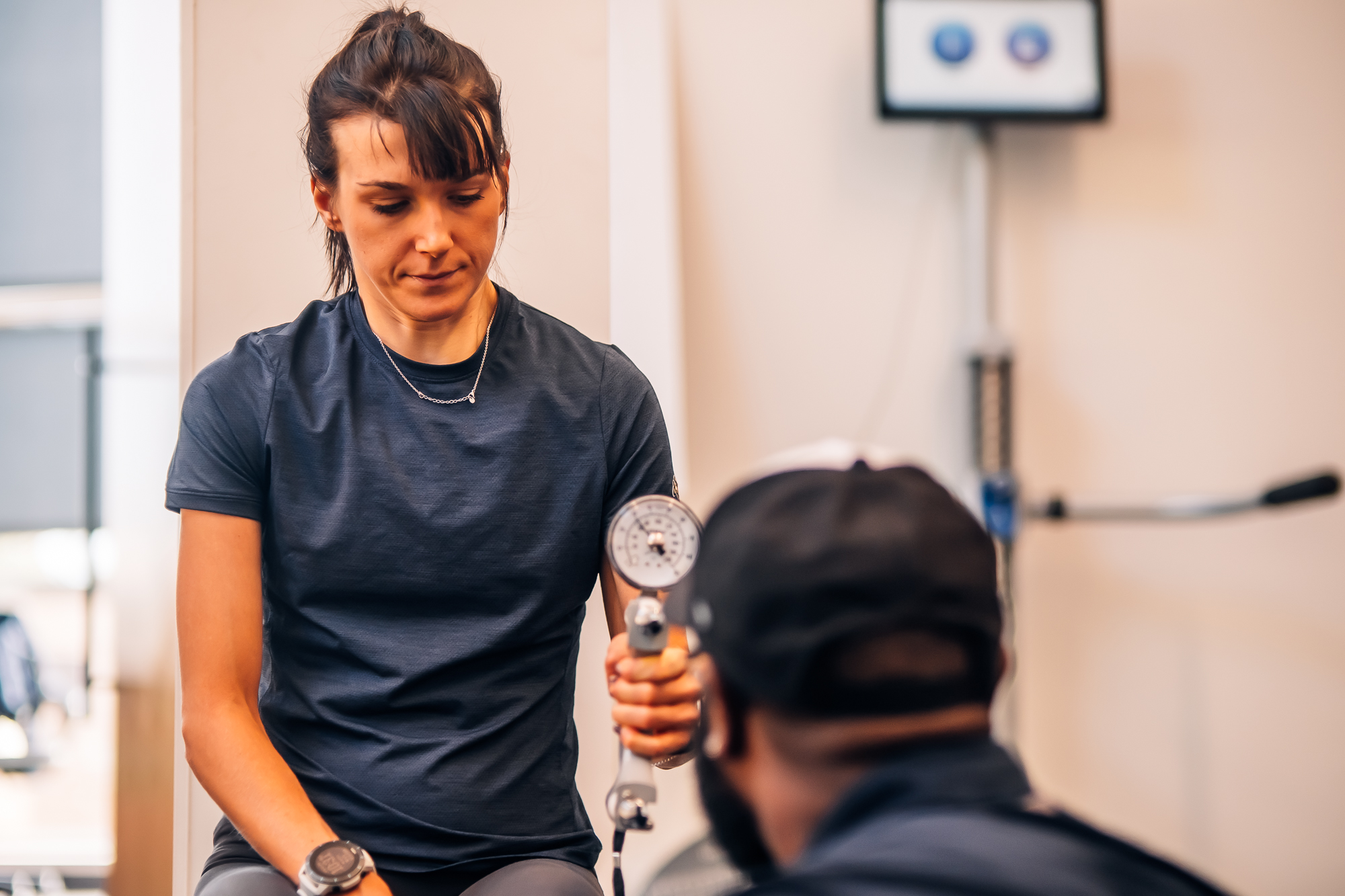
3. Grip Strength
Assesses forearm and hand strength, crucial for improving bike control, especially on long or technical rides. Grip strength also provides insights into overall strength, physical performance, and potential longevity.
4. DXA Scan
Offers a detailed body composition breakdown, providing insights into lean mass and fat distribution to guide training and nutrition. The scan offers insights to guide training and nutrition. Understanding bone density is particularly valuable for cyclists at higher risk for low bone density due to the non-weight-bearing nature of cycling, helping to inform injury prevention strategies.

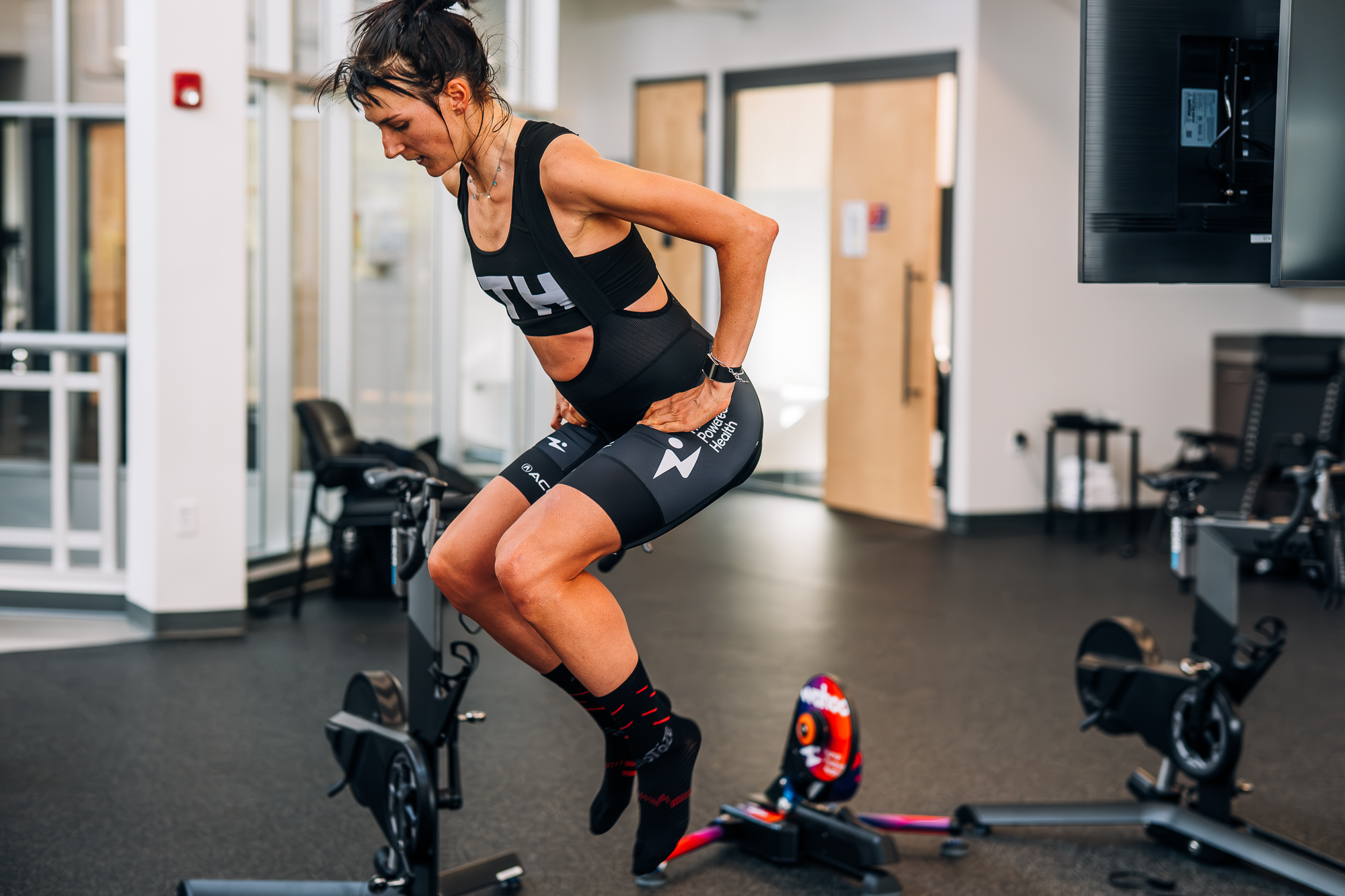
5. Force Plate Analysis
Measures lower body power, symmetry, and landing forces to identify imbalances and optimize pedal stroke efficiency, strength, and injury prevention.
6. TrueStrength Analysis
Evaluates isometric force and explosive power in key muscle groups, enhancing stability, posture, and power transfer in cycling.

7. VO2max Test
Measures maximum oxygen uptake and provides heart rate training zones, allowing cyclists to improve endurance training and gauge aerobic fitness specific to cycling.
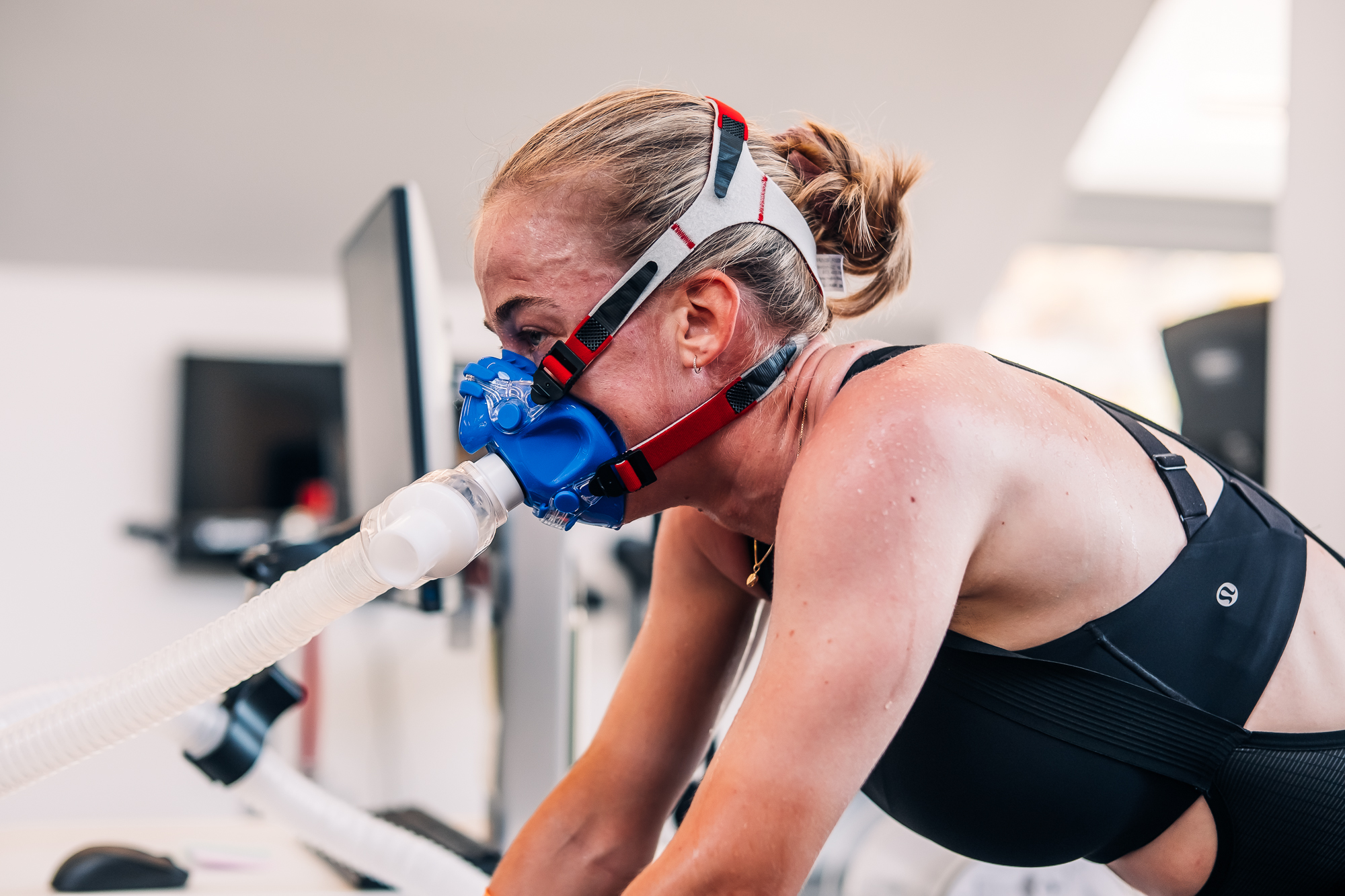
8. Anaerobic Power
A maximum effort designed to measure peak power output, sustained power, and fatigue rate. This test offers insights into a cyclist’s anaerobic capacity. Analyzing these metrics helps identify strengths and areas for improvement, aiding in targeted training adjustments to enhance speed and power output.

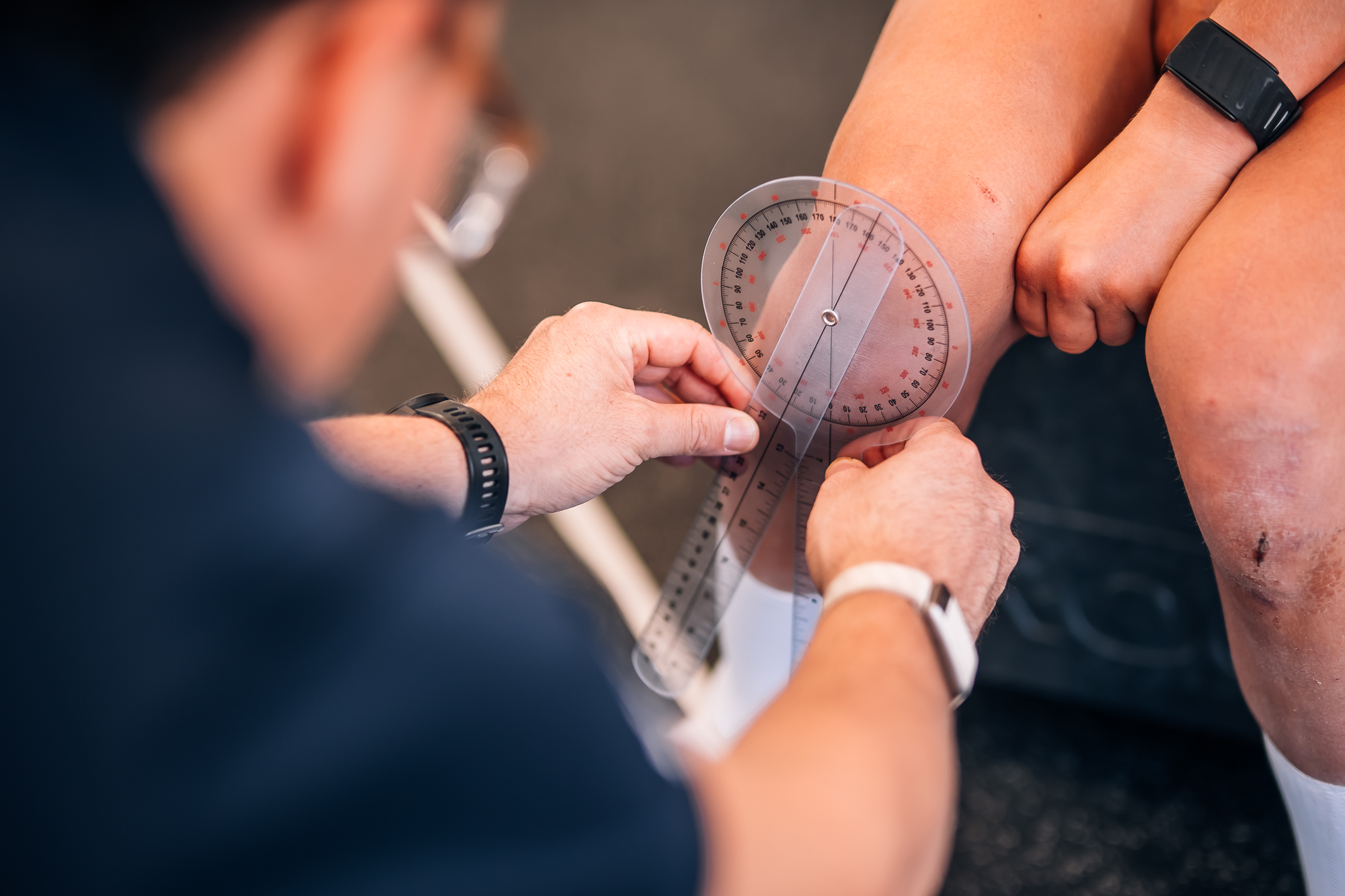
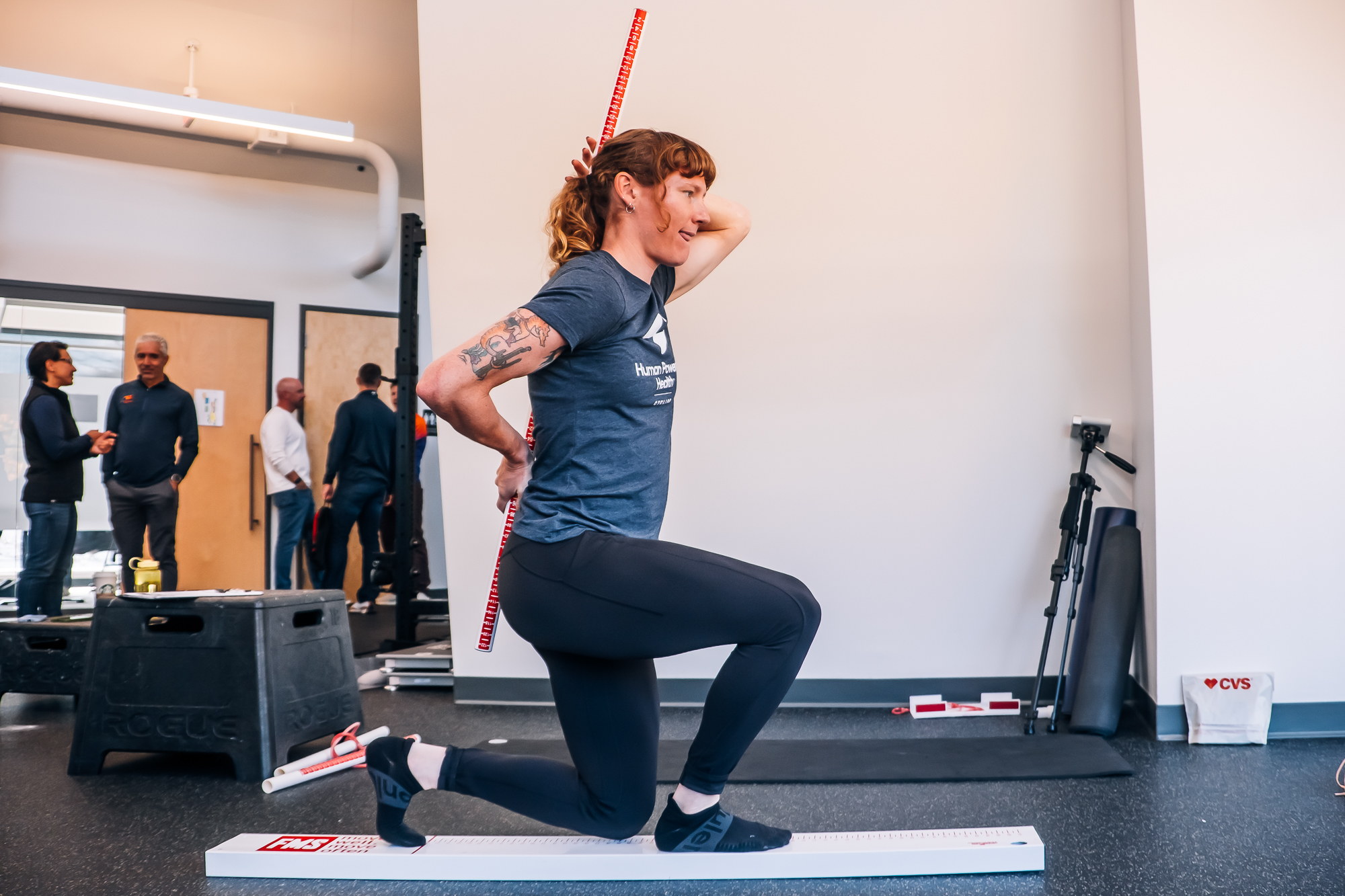
9. Functional Movement Screening
Movement Screening analyzes movement patterns through looking at the range of motion at each joint and checking for symmetry to help determine how you can become more efficient and reduce the risk of injury.
To learn more about the lab and schedule your own visit, choosing from a deep a la carte menu of services, visit humanpoweredhealth.com
