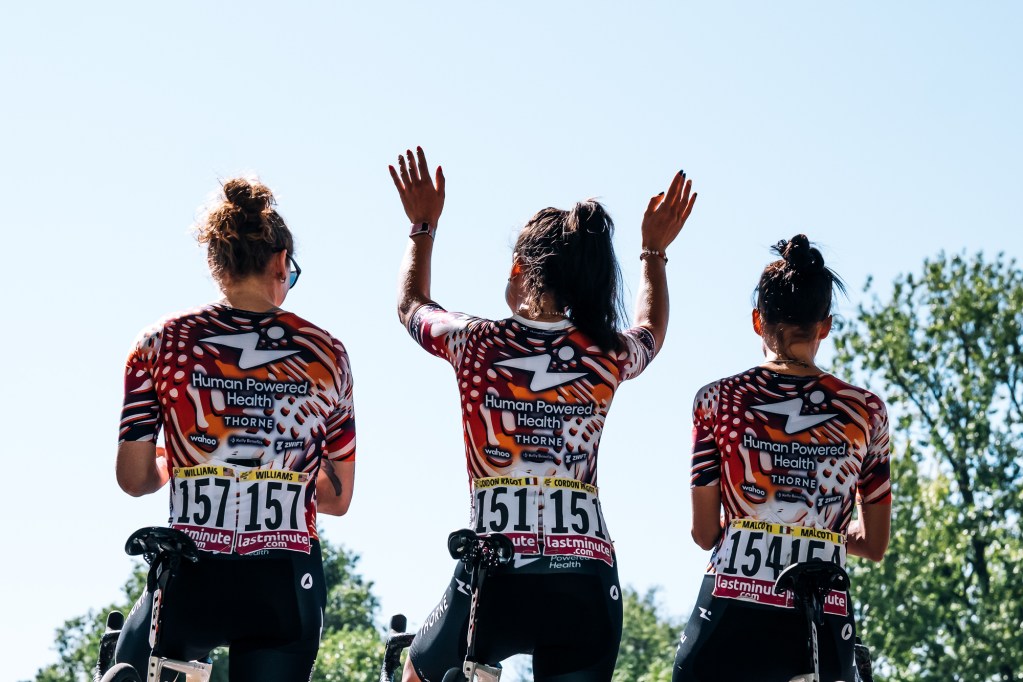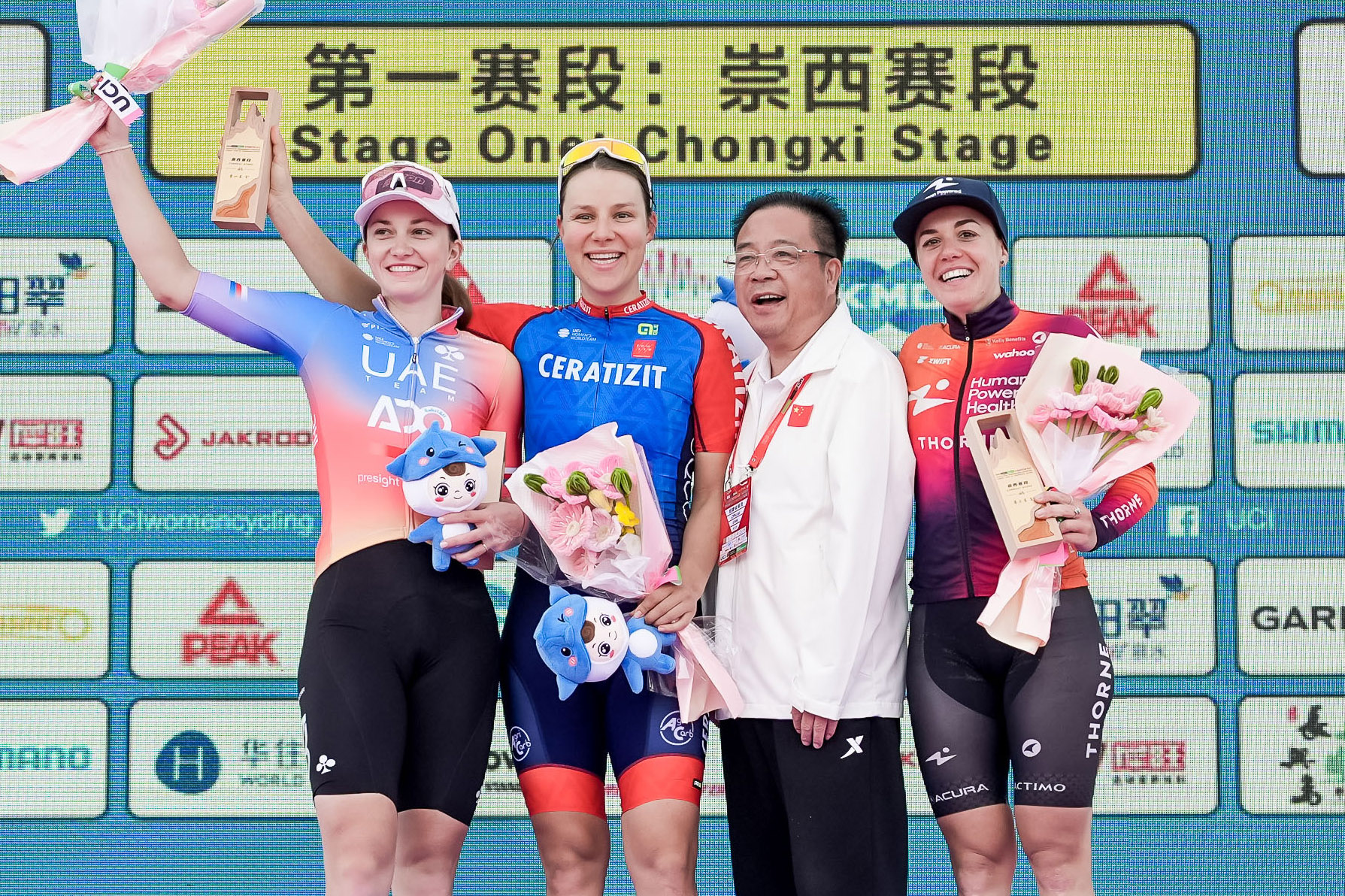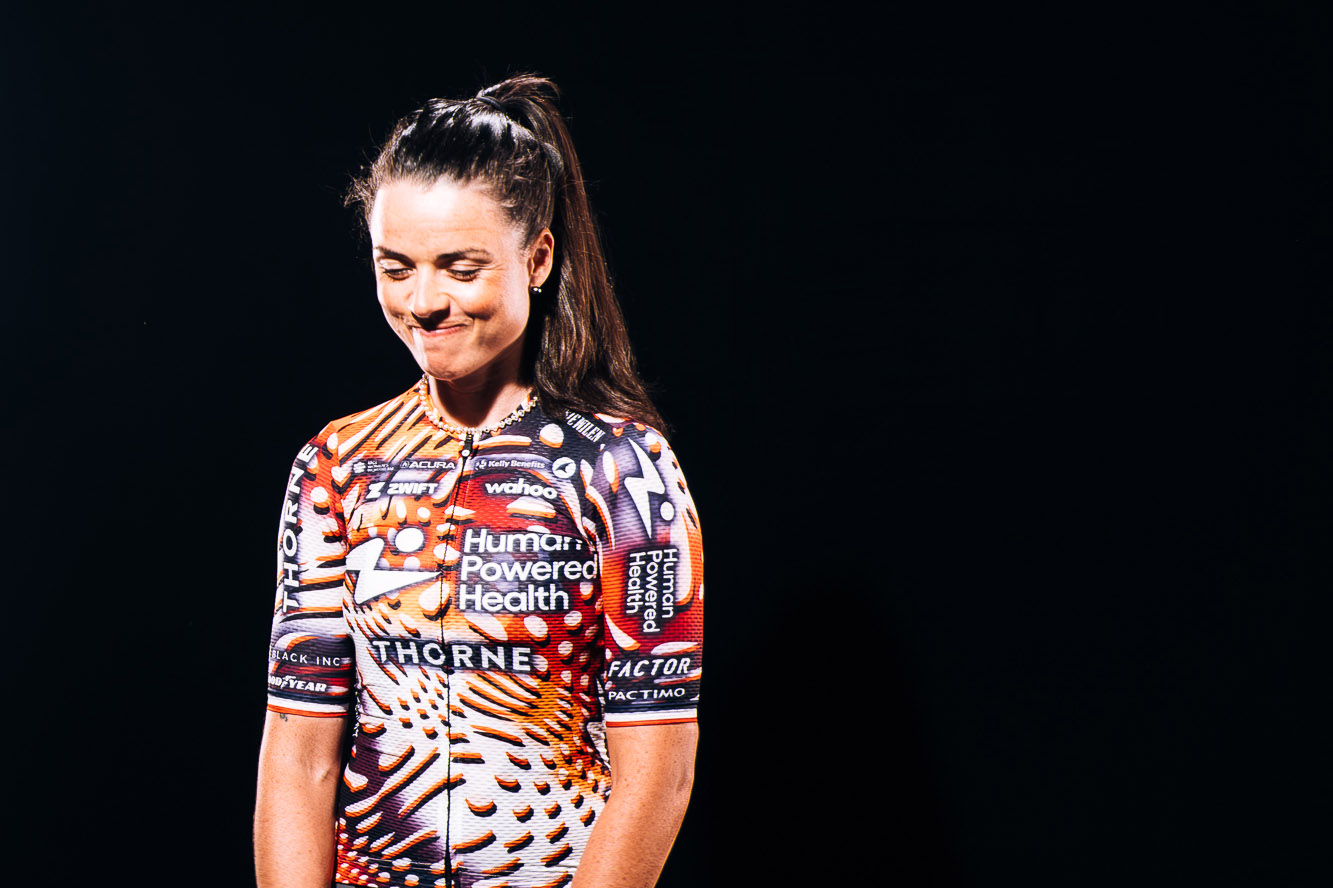
After 17 years as a professional cyclist, Audrey Cordon-Ragot is ending her road career. With nine French titles to her name, 21 victories, and three outings at the Olympic Games, including her home games in 2024, the 35-year-old has seen it all. But it’s not just her palmares that highlight her career – Audrey was an influential personality and advocate in the pro peloton for everything from rider safety and minimum wages to stroke awareness for athletes. Her career spanned the modern professionalization of women’s cycling and she was a huge part of that step forward. She leaves racing as a true icon.
In her exit interview, Cordon-Ragot reflects on a career that spanned two eras in modern professional women’s cycling and looks ahead to what comes next.
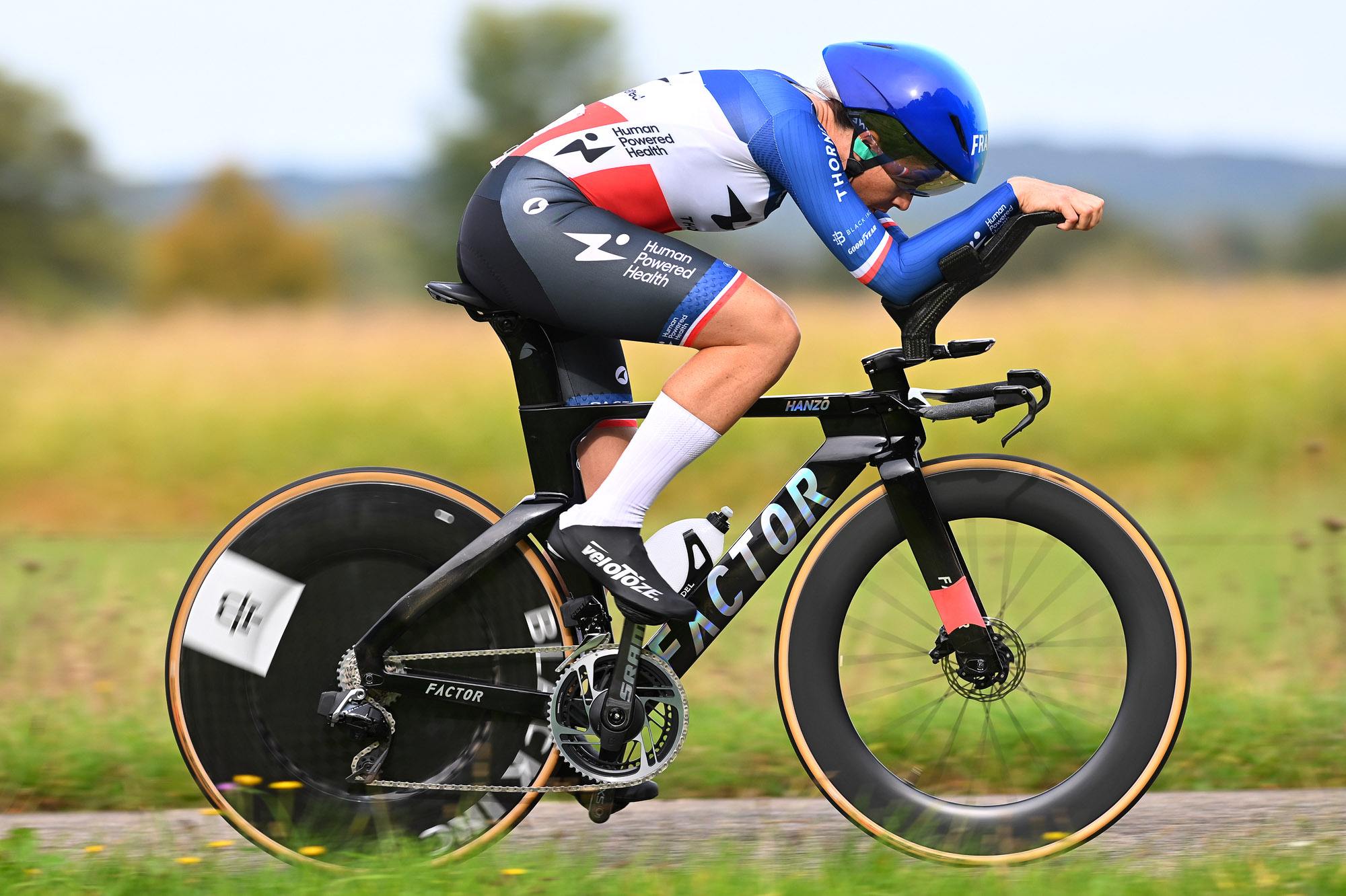
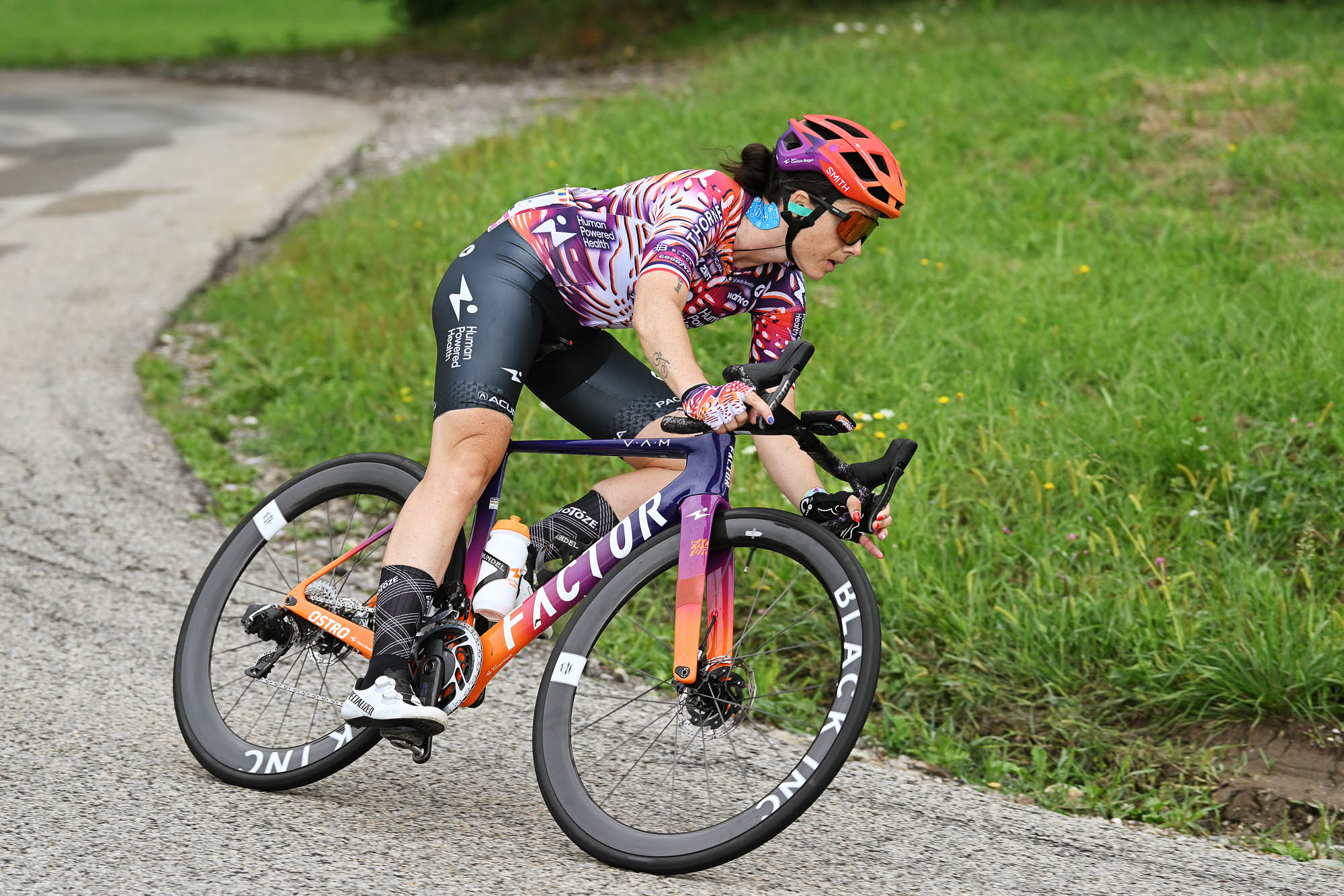
The moment that comes to mind when I reflect is when I received my first bike from my Grandpa. I started cycling because of him. The first time I got my own bike, I chose from the shop and thought ‘Now I cannot disappoint him’. That was the first time in my life that I felt a responsibility to make it count. I was ten years old and now all the way through to 35, it’s a long time to have this on your shoulders and the fear of disappointing people. It is something people rarely see, how much pressure is on our shoulders and how young that starts. I remember this weight on my shoulders and thinking ‘Yes, now I am a real cyclist’.
The main difference between when I started and now is that we can finally make a living from our sport. From there, many other things changed but to be a cyclist and not just a part-time cyclist as well as a student, or working wherever, changed the lives of all of us. This is the reason the level has grown so fast over the past six years.
My generation came up in the shadow of Jeannie Longo. She is still one of the biggest personalities in France, she is imprinted in French culture and we [referencing Aude Biannic, Pauline Ferrand-Prevot, and Roxanne Fournier] were the new generation coming up. The problem for a long time was that the teams in France were not professional enough. This was then the difference from the Netherlands which had riders who could already live off the sport. Now we have a lot of UCI teams which means that unlike when I started, more and more French riders can be produced.

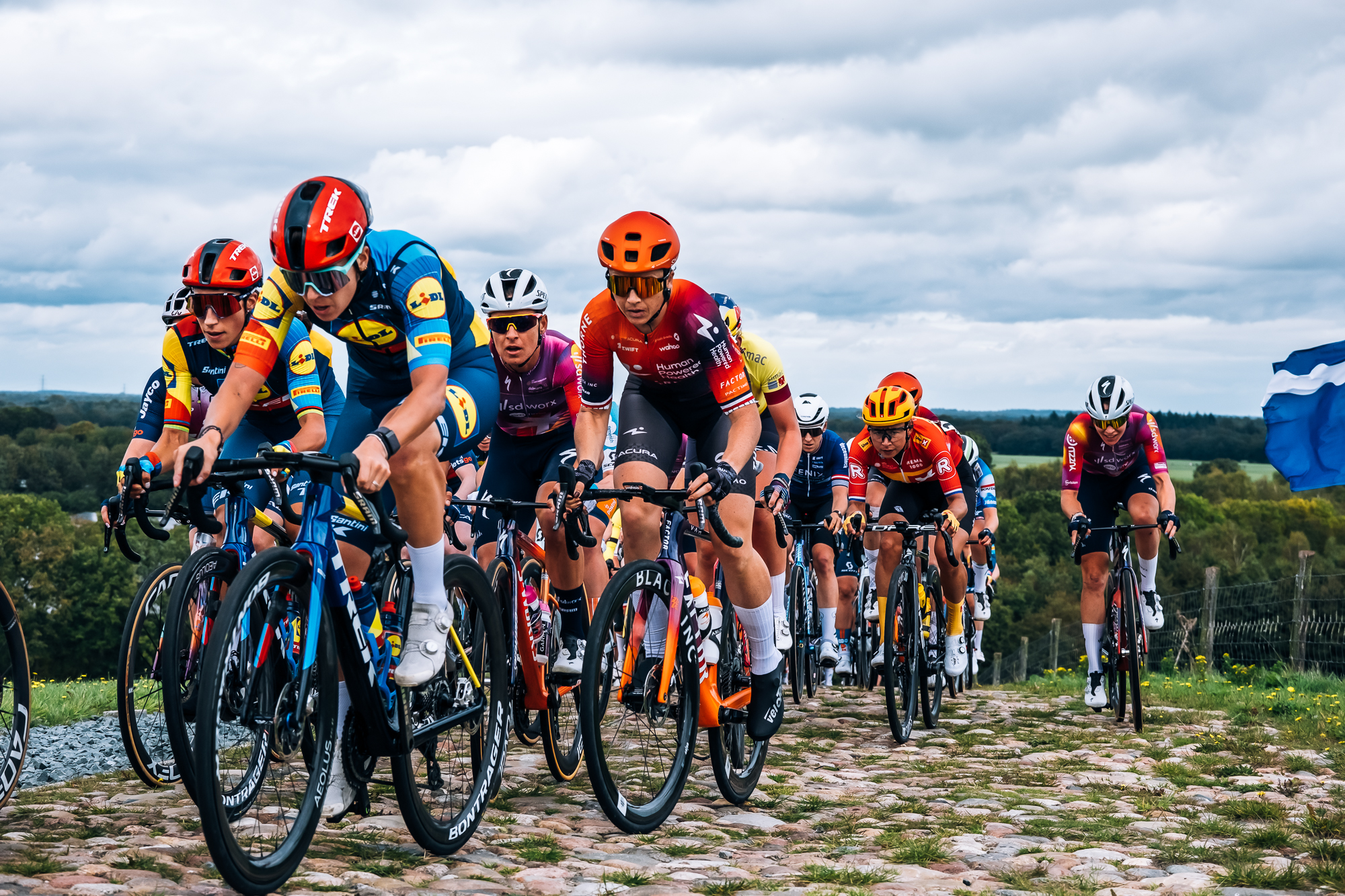
There is now a market for female cycling in France and we were the precursor. It’s been a long process. Paris-Roubaix Femmes avec Zwift and the Tour de France Femmes avec Zwift made it more accepted and serious in the eyes of people who had no clue about women’s cycling. We have been complaining about it for decades and it took a very long time but finally, we are seeing the results of all those years we have been challenging. French cycling took the right direction when they created a women’s Roubaix and without it, I don’t think we would have the Tour or now Milan-Sanremo. Those little girls watching can now dream about doing this job, it’s a beautiful cycle.
You have to start early to be in the pro peloton but I would advise any new rider to continue their studies. In a few years, I think it will be even more difficult to go further if you are not already super good so it’s important to have a background to fall back on. Prepare mentally that it may not work out. There is less time to adapt now so you have to sacrifice from a young age to make it now so realize what it means to be a professional cyclist and also a well-rounded, healthy human being.
What happened to me in 2022 was when it all changed. I needed to be clearer with myself when I was going to retire before that. I was coming from Simac, performing and winning my second WorldTour race and I thought I was the best I had ever been. Then I had a stroke and my goal became to come back but it also gave me perspective on life. I knew that my career would not go so much longer than my ultimate goal – the Olympics in Paris.

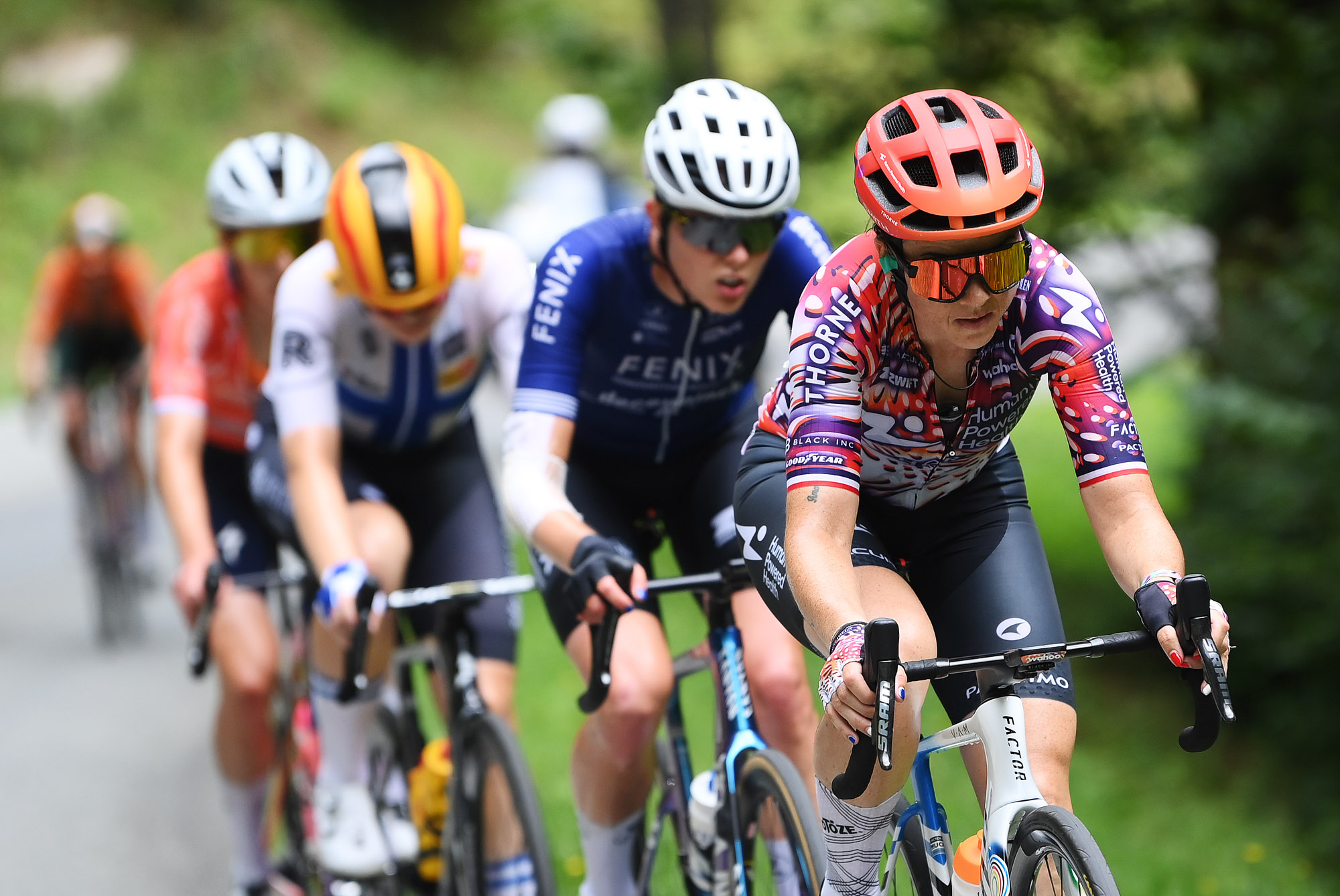
I could’ve been a better cyclist if I was more egoistical but I preferred to be the one defending others. It took quite a lot of energy to do but I’m proud that I was not only a cyclist but a person who really invested in her sport. I had good results but I was focused on trying to make the sport better. People support me when I come to different countries and that feels really nice because I am seen as a person more than just a rider. It’s important to leave this imprint. It was never performative, I just have it in my heart that I need to stand up for what is right and safe and rage against things that are unfair. It is my personality.
I will miss the interactions with teammates and staff. Every team I was in, I always tried to create a group that works together, because then I was happy to go to a race. I decided to leave France for this reason because I began not to like it. Going abroad and having a new challenge was a relief and from then on it was all about finding teams to feel good on. The memories won’t be so much from the racing but the things I did around it and how we would support each other when times were tough.
I’m looking forward to waking up in the morning and not feeling obligated to have something planned for the day. To ride when I want and not be scared to be too tired to do things. I don’t think I’ve ever been a ‘normal person’ so this will be the first time. It’s scary but at the same time very exciting.

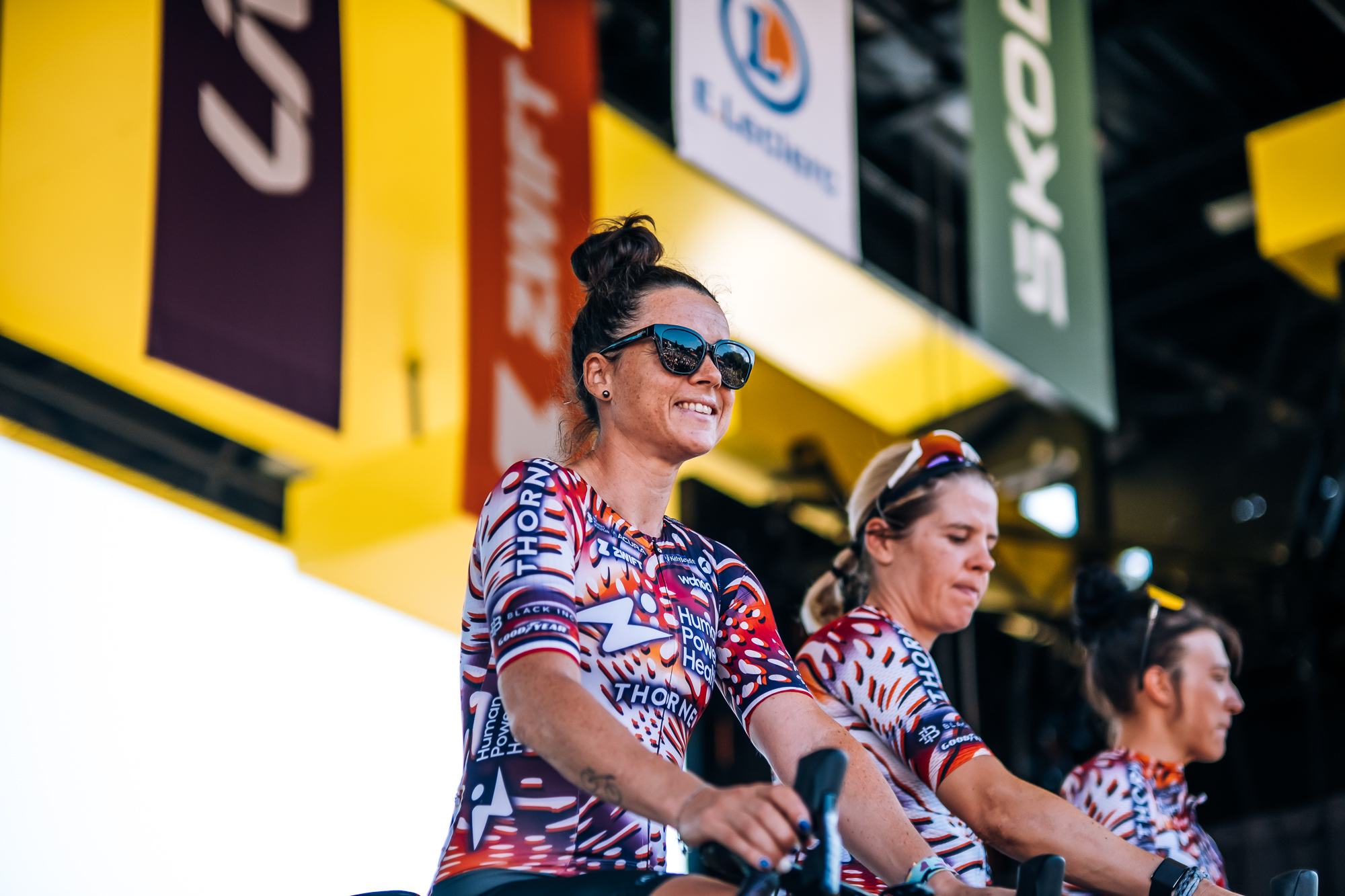
What’s next? I want to continue to talk about my sport and doing this on television is a big chance and I want to continue doing this. My experiences with Eurosport/Discovery+ have always been super nice.
My biggest wish is to continue helping my sport grow and I really want to be a manager. Make my sport grow with my ideas. If I am one day a manager, I want my riders to know and learn all the skills and little things that help make a well-rounded human being. It’s having the ability to make my sport better and safer with a team that is a bit different from the others, imprinted with philosophies I have developed throughout my career.
Merci Audrey.